How Long Does It Take to Walk 5,000 Steps? Time by Pace (2026)
How long does it take to walk 5000 steps? About 40–60 minutes, roughly 50 at a moderate 3 mph. Time by pace, distance by height, and ways to fit it in.
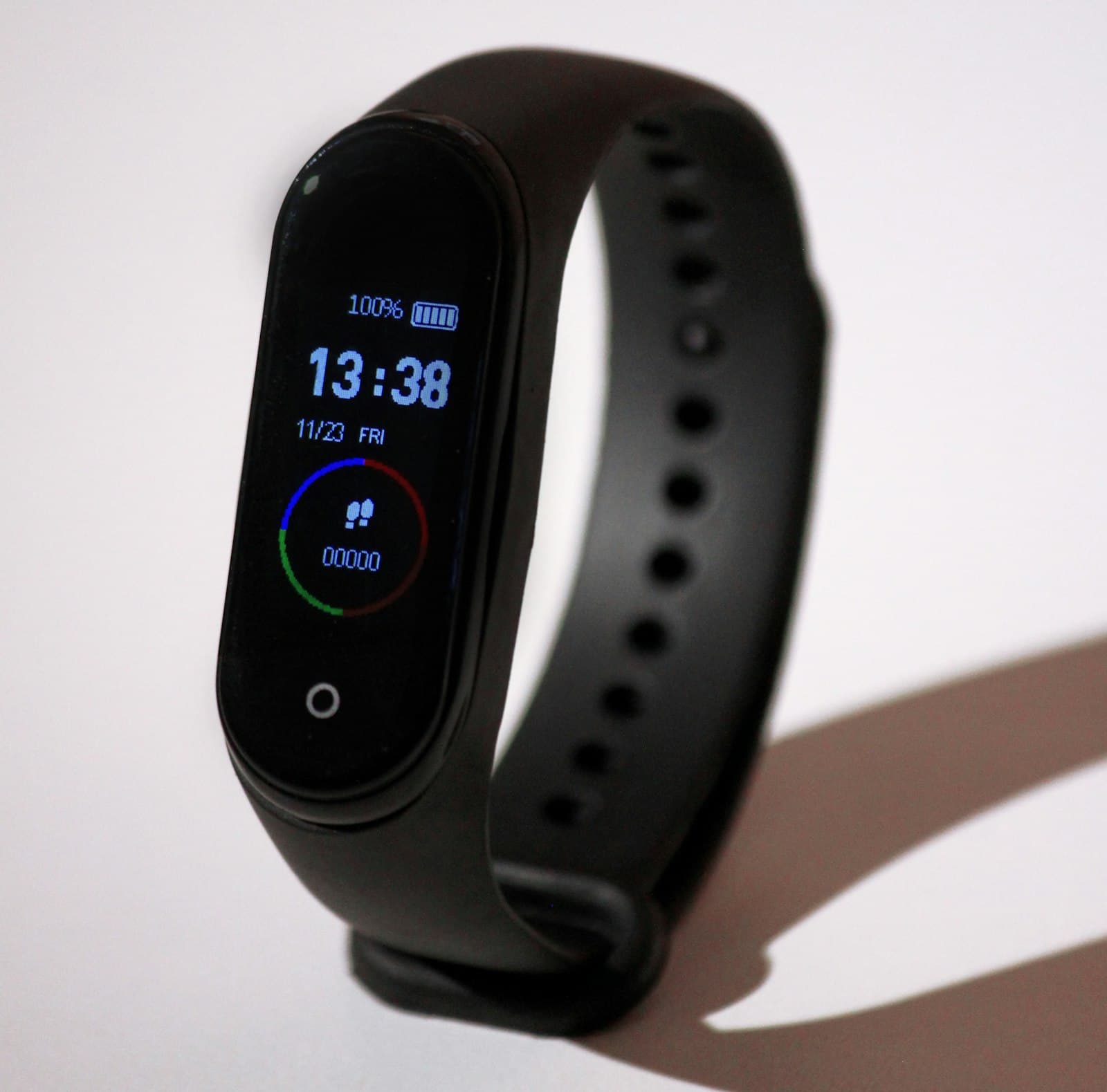
Walking 5,000 steps takes about 40 to 60 minutes for most adults, or roughly 50 minutes at a moderate 3 mph pace. Brisk walkers finish closer to 40 minutes. A slow, stop-and-go stroll takes about an hour.
That is the quick answer to how long does it take to walk 5,000 steps. The exact number depends on two things: how fast your feet move (cadence) and how long your stride is. Below you will find a time-by-pace table, how far 5,000 steps goes by height, how to split it across a busy day, and whether 5,000 is a good enough daily target in the first place.
How Long Does It Take to Walk 5,000 Steps at Each Pace?
Cadence, or steps per minute, is what decides your time. Research on walking intensity uses about 100 steps per minute as the rough line for moderate-intensity walking.
| Pace | Speed | Cadence (approx.) | Time for 5,000 steps |
|---|---|---|---|
| Slow / strolling | ~2.0 mph | ~80–90 steps/min | ~55–62 min |
| Casual | ~2.5 mph | ~90–100 steps/min | ~50–55 min |
| Moderate | ~3.0 mph | ~100–110 steps/min | ~45–50 min |
| Brisk | ~3.5 mph | ~110–120 steps/min | ~42–45 min |
| Very brisk / power walk | ~4.0 mph | ~120–130 steps/min | ~38–42 min |
Our own Steps to Screen Time Calculator uses a simple moderate assumption: 2,000 steps per mile at 20 minutes per mile. On that model, 5,000 steps is 2.5 miles and 50 minutes. It is a fair middle estimate for most people.
How to find your own cadence
Walk at your usual pace, count steps for 15 seconds, then multiply by 4. Divide 5,000 by that number and you have your personal time in minutes. If you count 27 steps in 15 seconds, your cadence is 108, and 5,000 steps takes about 46 minutes.
How Far Is 5,000 Steps?
Distance depends on stride length, which mostly tracks height. A common estimate puts walking stride at about 41% of your height.
| Height | Steps per mile (approx.) | 5,000 steps is about |
|---|---|---|
| 5'0" (152 cm) | ~2,550 | ~2.0 miles (3.2 km) |
| 5'4" (163 cm) | ~2,400 | ~2.1 miles (3.4 km) |
| 5'8" (173 cm) | ~2,250 | ~2.2 miles (3.6 km) |
| 6'0" (183 cm) | ~2,100 | ~2.4 miles (3.8 km) |
| 6'4" (193 cm) | ~2,000 | ~2.5 miles (4.0 km) |
Walking faster lengthens your stride a little, so brisk walkers cover slightly more ground in 5,000 steps than slow walkers. For planning, 2 to 2.5 miles is a safe estimate.
How Long to Walk 5,000 Steps When You Split It Up
You do not have to do it in one go. Steps are steps, and most people already get 2,000–4,000 from normal life. That means the dedicated walking you need is often much less than 50 minutes.
| Where you start | Extra steps needed | Extra walking (moderate) |
|---|---|---|
| ~1,500 (very sedentary day) | ~3,500 | ~35 min |
| ~2,500 (typical desk day) | ~2,500 | ~25 min |
| ~3,500 (some errands) | ~1,500 | ~15 min |
| ~4,500 | ~500 | ~5 min |
A realistic split for a desk day:
- Morning: 10-minute walk before you open social apps (~1,000 steps)
- Lunch: 10–15 minute loop (~1,200–1,500 steps)
- Evening: 5–10 minutes after dinner (~500–1,000 steps)
Add ordinary movement around the house and office, and you land at 5,000 without a single long session.
Calories Burned Walking 5,000 Steps
Calorie burn depends mostly on body weight, then pace and incline. Rough estimates for 5,000 steps on flat ground at a moderate pace:
| Body weight | Approx. calories |
|---|---|
| 120 lb (54 kg) | ~150–180 |
| 150 lb (68 kg) | ~180–230 |
| 180 lb (82 kg) | ~220–270 |
| 210 lb (95 kg) | ~260–320 |
These are ballpark figures. Hills and a faster pace push the number up, and fitness trackers often overestimate. Use them for direction, not for exact food math.
Is 5,000 Steps a Day a Good Goal?
As a starting goal, yes. Going from 2,000–3,000 steps to 5,000 is one of the highest-return changes a sedentary person can make. As a long-term goal, most recent research points higher: much of the health benefit sits around 7,000 steps, which is only about 20 more minutes of walking.
- New to walking? Start at 5,000 and hold it for two weeks.
- Already there most days? Move to 6,000, then 7,000.
- Deeper answer: is 5,000 steps a day enough and is 7,000 steps a day enough.
Make the 50 Minutes Happen Before the Scroll
The hard part of 5,000 steps is rarely the walking. It is the hour that disappears into your phone first. One way around that is to make the walk the price of your feeds: WalkBlock locks the apps you pick until you hit your daily step goal, then unlocks them for the rest of the day.
If you are not sure 5,000 is the right gate for you, try the Unlock Goal Recommender. To see how much of your day scrolling already eats, run the Doomscroll to Walk Converter.
Frequently Asked Questions
How long does it take to walk 5,000 steps?
About 40–60 minutes for most adults. At a moderate 3 mph pace, plan on roughly 50 minutes. Brisk walkers can finish in about 40 minutes; slow walkers take closer to an hour.
How many miles is 5,000 steps?
About 2 to 2.5 miles (3.2–4 km). Taller people cover more distance per step, so they reach the top of that range; shorter people land nearer 2 miles.
Can I walk 5,000 steps in 30 minutes?
Only at a very fast pace, around 165 steps per minute, which is closer to jogging than walking. In 30 minutes of brisk walking most people get about 3,300–3,600 steps.
How many steps do I get in 10 minutes of walking?
Roughly 1,000–1,200 steps at a moderate to brisk pace. Five 10-minute walks across the day add up to about 5,000 steps.
Is walking 5,000 steps a day enough to lose weight?
Usually not on its own. It burns roughly 180–230 calories for a 150 lb adult. It is a great habit base, but pair it with a calorie deficit or build toward 7,000–10,000 steps if fat loss is the goal.
Bottom Line
How long does it take to walk 5,000 steps? Around 50 minutes at a moderate pace, 40 if you walk briskly, and closer to an hour if you stroll. Since daily life already covers part of it, the dedicated walking you need is often only 15–30 minutes. Find your cadence, split the walk across your day, and use 5,000 as a first step toward 7,000.

Make your step goal the price of admission
WalkBlock blocks the apps you choose until you hit your daily steps, then unlocks them automatically.

Free to download. No account needed.