
Does Walking Help You Sleep? Research + a 7-Day Plan (2026)
Does walking help you sleep? Studies link daytime walking to longer, better sleep. Step targets, timing tips, and a 7-day plan that also cuts bedtime scrolling.
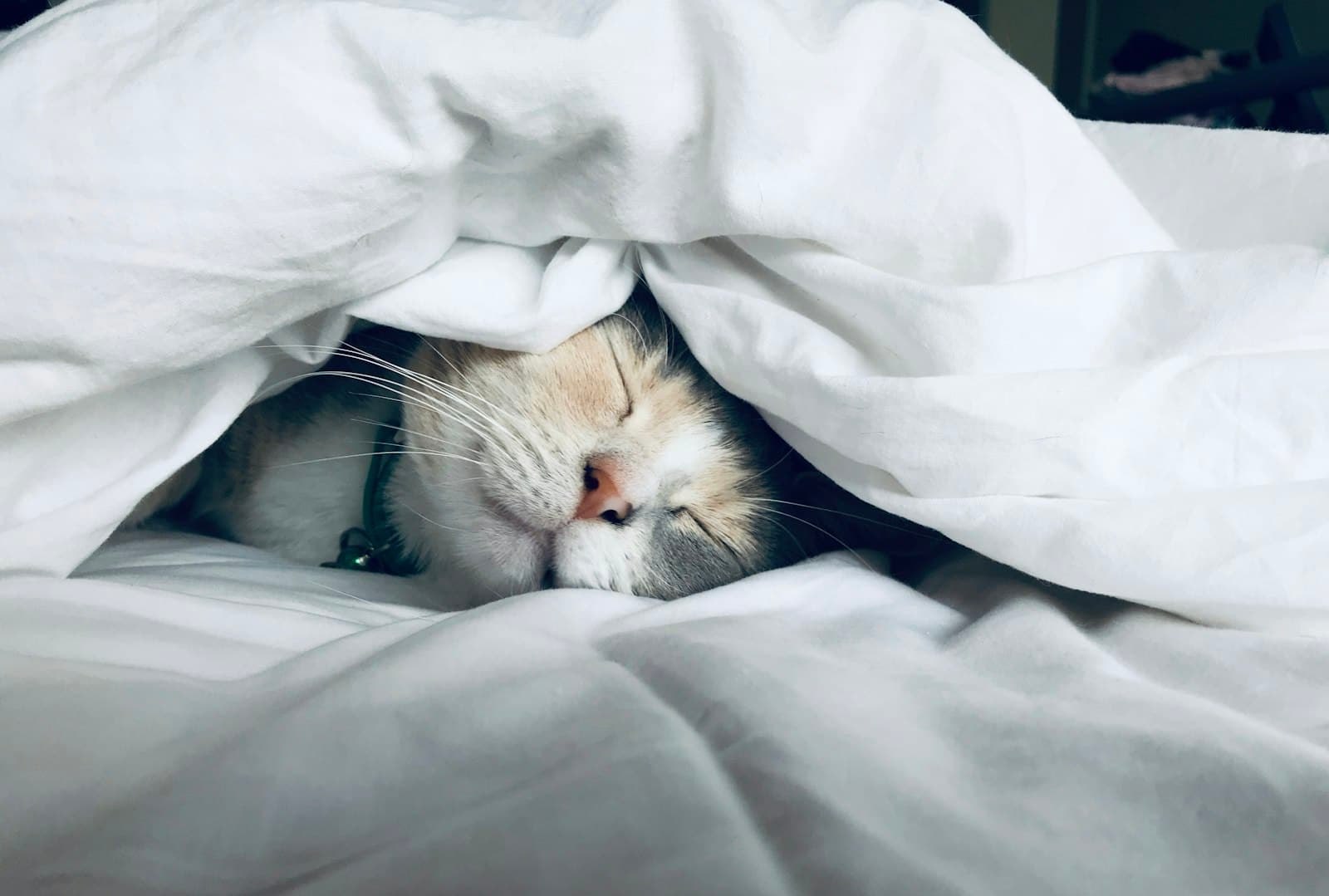
Does walking help you sleep? For many people, yes — daytime walking is linked to falling asleep easier, slightly longer sleep, and better sleep quality, especially when it replaces late-night phone time instead of stacking on top of it.
You do not need a marathon. A realistic daily step total plus a hard stop on bed scrolling beats a heroic 10,000-step day followed by an hour of TikTok at midnight. Below: what the research suggests, when to walk, how many steps to aim for, a 7-day plan, and how to pair it with a morning unlock habit.
What the Research Suggests
Sleep science is messy (caffeine, stress, light, apnea), but walking shows up often enough to take seriously:
- Regular moderate activity, including walking, is associated with better sleep quality and fewer complaints of insomnia symptoms in observational and intervention work.
- Some trials and reviews report on the order of ~15–35 extra minutes of sleep or meaningful quality gains when inactive people add daytime walking — results vary by study design.
- Timing matters: bright daytime movement supports circadian rhythm; very intense late workouts can delay sleep for some people. A moderate evening stroll is usually fine; a hard interval session at 10pm may not be.
Treat exact "34 minutes" headlines as directional. The practical takeaway: move during the day, dim the phone at night.
Why Walking Helps Sleep (Mechanisms That Matter)
- Circadian cue — daylight + movement reinforces "day mode."
- Anxiety downshift — a loop outdoors often lowers rumination better than another scroll.
- Replacement behavior — steps that unlock apps earlier mean less bargaining with Ignore Limit at 11:30pm (screen time limits vs step goals).
- Temperature and fatigue — mild physical tiredness without overstimulation.
Walking will not fix untreated sleep apnea or a bedroom that is a blue-light cinema. It is one lever.
How Much Walking for Sleep?
| Goal | Practical target |
|---|---|
| Beginner | +1 dedicated mile (~20 min) — see walking 1 mile a day |
| Solid habit | ~6,000–8,000 total daily steps |
| Ambitious | ~8,000–10,000 if joints allow — see is 9,000 steps a day good |
If you are at ~3,000 today, do not jump to 10,000. Read is 3,000 steps a day enough and add ~2,000/week.
Timing: Morning vs Evening Walks
| Timing | Sleep upside | Watch-outs |
|---|---|---|
| Morning | Strong circadian signal; pairs with unlock-before-feeds | Needs a cue before email |
| Lunch | Breaks sitting; easy adherence | Easy to skip on busy days |
| Early evening | Digests the day; can replace couch scroll | Keep it moderate; finish ~1–2 hours before bed if you run hot |
Avoid trading sleep for steps. A 10pm power walk that winds you up is a bad deal.
The Phone Problem at Bedtime
Walking helps most when it displaces the habit that wrecks sleep: bed scrolling. Pair the walk with:
- Phone charging outside the bedroom, or
- A step gate so Instagram / TikTok stay locked until morning movement (earn screen time by walking)
WalkBlock is built for that second option: pick the apps, set a goal, walk, unlock for the day — so midnight negotiating stops being the default.
7-Day Walking-for-Sleep Plan
| Day | Walk | Phone rule |
|---|---|---|
| 1 | 15 min easy outdoor loop | Charge phone in kitchen overnight |
| 2 | 15–20 min | Same + no feeds in bed |
| 3 | 20 min after lunch or dinner | Note bedtime and wake time |
| 4 | 20 min; add 2–3 min if easy | Keep utilities unblocked if you use WalkBlock |
| 5 | 25 min moderate | Protect the hour before bed from Shorts |
| 6 | 20–25 min (repeat favorite route) | Optional: set WalkBlock goal ~1k above your average |
| 7 | 25–30 min + review Apple Health steps vs sleep feel | Decide next week's step target |
Track steps in Health; track sleep with how you feel, not just a score. Shock-convert doomscroll hours into miles with the Doomscroll to Walk Converter.
Common Questions
Does walking help you sleep better at night?
Often yes when it is daytime or early-evening moderate walking and it replaces late phone use. It is not a cure-all for clinical insomnia.
Is an evening walk bad for sleep?
Usually fine if it is easy and not right before bed. Skip high-intensity sessions late if you feel wired.
How many steps should I walk to sleep better?
Start with one 15–20 minute daily walk, then build toward ~6,000–8,000 total steps. More is not always better if it steals bedtime.
Can WalkBlock improve sleep?
Indirectly: by making distracting apps cost steps, it reduces late-night bargaining. Sleep still needs darkness, schedule, and caffeine discipline.
Bottom Line
Walking can help you sleep — especially as a daytime habit that crowds out midnight scrolling. Aim for a sustainable daily loop, protect the last hour before bed, and raise steps gradually.
Want the feeds locked until morning movement? Download WalkBlock.
You might also like
- Is 3,000 Steps a Day Enough? The Honest Answer (2026)Is 3000 steps a day enough? Better than 2,000, not the finish line. Miles, research, and why 7,000 is the real target — plus when 3,000 works as an unlock floor.
- Walking 1 Mile a Day: Benefits, Time, Steps & Results (2026)Walking 1 mile a day burns ~80–140 calories, takes 15–20 minutes, and adds ~2,000–2,500 steps. Honest benefits, how to progress, and using a mile as your unlock.
- Is 9,000 Steps a Day Good? What the Research Says (2026)Is 9000 steps a day good? Yes — near the JACC optimum (~8,763) and BJSM's lowest-mortality band. Miles, time, and when to use 9,000 as an unlock goal.